
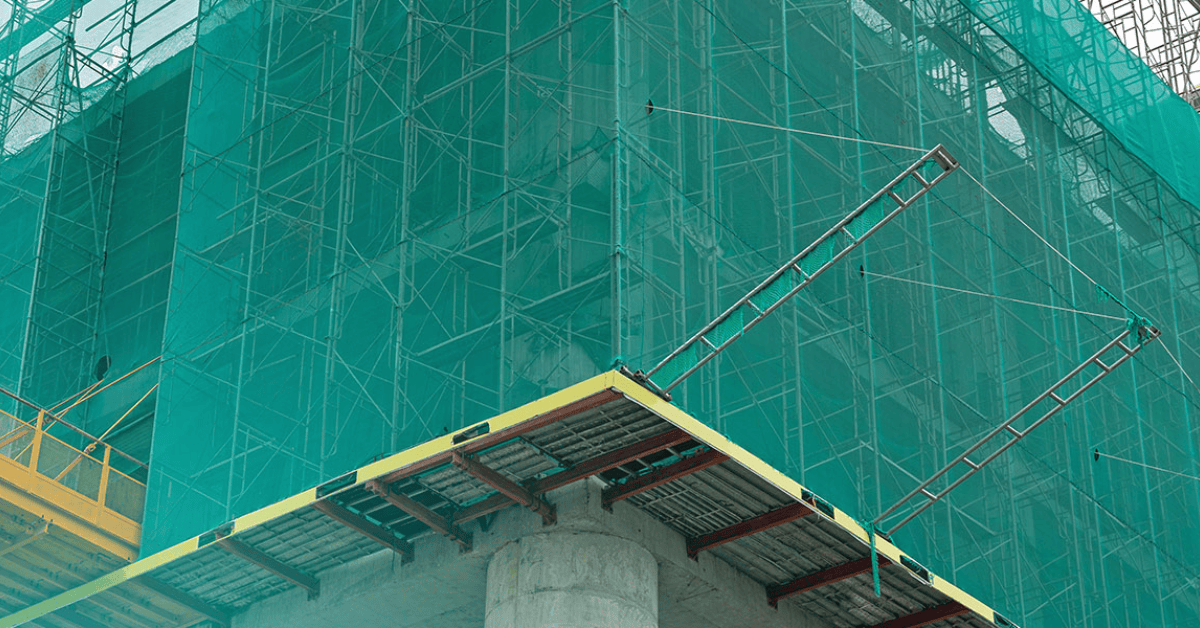
Construction Safety Netting: Ensuring Safety on Every Site
Construction sites are full of risks. Workers face dangers from falling debris, tools, and materials. One of the most effective ways to reduce these risks is through construction safety netting. This protective measure is essential for any building project, whether large or small.
What Is Construction Safety Netting?
Construction safety netting is a strong mesh material designed to catch falling objects and prevent accidents. It is typically made from durable materials like high-density polyethylene (HDPE) or nylon. The netting can be installed around scaffolding, edges of buildings, or open areas to protect both workers and the public.
Unlike temporary barriers or fencing, safety netting is flexible, lightweight, and easy to handle. It provides an additional layer of security without interfering with construction work.
Importance of Safety Netting in Construction
Construction sites have many hazards. Falling objects are one of the leading causes of injuries. Even small tools or debris can cause serious harm. Construction safety netting helps prevent these accidents.
-
Protects Workers: Netting ensures that any accidental fall of tools or materials does not hit people working below.
-
Prevents Property Damage: Falling debris can damage machinery, vehicles, and nearby structures. Safety nets reduce such risks.
-
Compliance with Regulations: Many countries require construction companies to implement safety measures like netting to protect workers and the public.
-
Boosts Productivity: A safe site allows workers to focus on their tasks without worrying about falling hazards.
Types of Construction Safety Netting
There are different types of construction safety netting, each suited for specific purposes:
-
Debris Netting: Designed to catch small or medium-sized debris, keeping the site clean and safe.
-
Fall Protection Netting: Used primarily to prevent workers from falling from heights. It is strong enough to support human weight in case of accidents.
-
Edge Protection Netting: Installed around the edges of buildings or scaffolding to prevent tools or materials from falling.
-
Scaffold Netting: Wrapped around scaffolding structures to provide a barrier for both workers and the surrounding area.
Choosing the right type depends on the nature of the construction project, the height of the building, and local safety regulations.
Features of Quality Safety Netting
Not all netting is created equal. High-quality construction safety netting should have the following features:
-
Durable Material: Made from strong synthetic fibers that resist tearing and weather damage.
-
UV Protection: Helps the netting last longer under sunlight.
-
Easy Installation: Lightweight nets with reinforced edges and attachment points make installation quick.
-
High Load Capacity: Strong enough to catch heavy tools or small equipment without breaking.
-
Visibility: Bright colors like green or orange improve visibility for workers and passersby.
Installation Tips
Proper installation is crucial for safety. Here are some tips for setting up construction safety netting:
-
Measure the Area: Determine the size of the area that needs protection before buying the netting.
-
Use Strong Supports: Attach the net to scaffolding, poles, or building edges that can handle weight and tension.
-
Maintain Tension: Ensure the net is tight enough to catch falling objects but not so tight that it tears easily.
-
Regular Inspection: Check the netting regularly for wear and tear, and replace damaged sections immediately.
-
Follow Safety Guidelines: Always comply with local construction safety rules and recommendations.
Benefits of Using Construction Safety Netting
Investing in construction safety netting offers several benefits:
-
Reduces Accidents: Minimizes injuries from falling tools and materials.
-
Protects Public Safety: Prevents accidents in areas around the construction site.
-
Saves Costs: Reduces medical expenses, insurance claims, and potential legal issues.
-
Improves Reputation: Shows that the construction company prioritizes worker safety and professionalism.
-
Increases Efficiency: Workers feel safer and can focus better on their tasks.
Maintenance and Durability
Even the best construction safety netting requires proper care. Here are some maintenance tips:
-
Keep the netting clean from dust, cement, or debris.
-
Store unused nets in a dry area to prevent mold or mildew.
-
Replace nets that show signs of wear, tear, or fading.
-
Ensure attachment points remain secure at all times.
By maintaining the netting, construction companies can prolong its life and ensure continued safety.
Choosing the Right Supplier
Selecting a reliable supplier is crucial. The right company provides durable, certified construction safety netting that meets safety standards. They should offer customization options for different project sizes and provide guidance on proper installation and maintenance.
Look for suppliers who have experience in the construction industry and offer products that comply with local safety regulations.
Conclusion
Safety should always be the top priority on construction sites. Construction safety netting is a simple yet highly effective way to protect workers, property, and the public. With the right type of netting, proper installation, and regular maintenance, construction projects can be safer and more efficient.
Investing in high-quality construction safety netting not only ensures compliance with safety regulations but also demonstrates a commitment to responsible construction practices. Whether for new buildings, renovations, or large infrastructure projects, safety netting is an essential tool that every construction site should have.