Plastic Recycling Machine: Transforming Waste into Sustainable Opportunity
In today’s rapidly evolving industrial world, the demand for efficient waste management solutions has never been higher. A Plastic Recycling Machine plays a crucial role in addressing the global plastic waste crisis by converting discarded plastics into reusable raw materials. This innovative technology not only reduces environmental pollution but also creates economic value by enabling industries to reuse processed plastic in manufacturing.
Understanding Plastic Recycling Machines
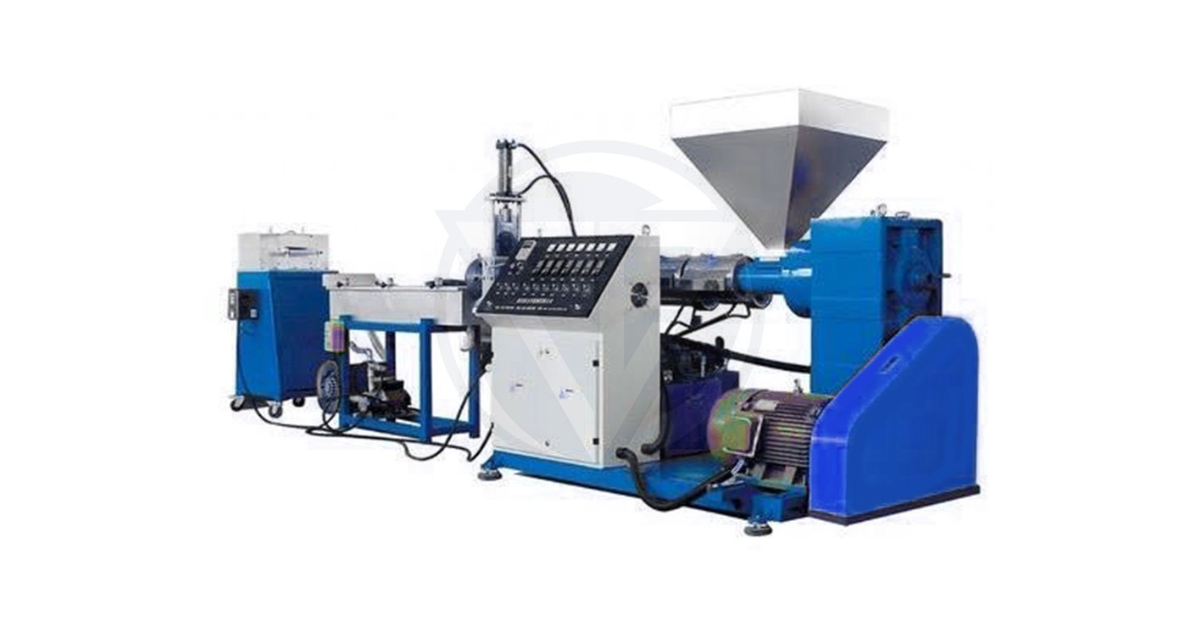
A Plastic Recycling Machine is a specialized piece of equipment designed to process plastic waste into usable forms such as pellets or granules. These machines handle various types of plastics, including PET bottles, HDPE containers, LDPE films, and more. By breaking down, cleaning, melting, and reshaping plastic materials, the machine ensures that waste is not simply discarded but transformed into something valuable.
Modern recycling machines are equipped with advanced features such as automated sorting, temperature control systems, and energy-efficient motors. These enhancements allow businesses to maximize productivity while minimizing operational costs.
How Plastic Recycling Machines Work
The working process of a Plastic Recycling Machine involves several stages, each critical to achieving high-quality recycled output:
- Collection and Sorting
Plastic waste is collected and sorted based on type, color, and quality. Proper sorting ensures better recycling results and reduces contamination. - Shredding
The plastic is fed into a shredder where it is cut into smaller pieces or flakes. This step makes it easier to process the material further. - Washing and Drying
The shredded plastic is thoroughly washed to remove dirt, labels, and other impurities. After washing, it is dried to prepare it for the next stage. - Melting and Extrusion
The clean plastic flakes are melted and passed through an extruder, forming long strands. - Pelletizing
These strands are then cut into small pellets, which can be used as raw material in manufacturing new plastic products.
Benefits of Using Plastic Recycling Machines
Investing in a Plastic Recycling Machine offers numerous advantages for businesses and the environment alike:
Environmental Protection
Plastic waste is one of the biggest contributors to pollution. Recycling machines help reduce landfill waste and prevent plastics from entering oceans and natural ecosystems.
Cost Efficiency
Recycling plastic reduces the need for virgin raw materials, which can be expensive. Companies can significantly lower production costs by reusing recycled plastic.
Energy Savings
Producing plastic from recycled materials consumes less energy compared to manufacturing it from raw petrochemicals.
Business Opportunities
Recycling opens up new revenue streams. Companies can sell recycled pellets or use them in their own production processes, increasing profitability.
Types of Plastic Recycling Machines
There are different types of recycling machines available depending on the specific needs of the user:
Granulators
These machines break plastic into small granules, making it easier to handle and process.
Agglomerators
Used mainly for plastic films, agglomerators convert lightweight plastic into dense chunks.
Extrusion Machines
These are used to melt and reshape plastic into new forms such as pellets or sheets.
Complete Recycling Plants
These systems combine all stages of recycling into one integrated setup, offering a complete solution for large-scale operations.
Applications of Recycled Plastic
The output from a Plastic Recycling Machine is highly versatile and can be used across various industries:
- Packaging Industry: Recycled plastic is widely used to produce bottles, containers, and bags.
- Construction: It is used in pipes, insulation materials, and plastic lumber.
- Automotive Sector: Recycled plastics are used in car interiors and components.
- Textile Industry: PET bottles are converted into fibers for clothing and upholstery.
Choosing the Right Plastic Recycling Machine
Selecting the right machine is essential for achieving optimal performance. Here are some key factors to consider:
Capacity Requirements
Determine the volume of plastic waste you need to process daily. Machines come in various capacities, from small-scale units to industrial systems.
Type of Plastic
Ensure the machine is compatible with the type of plastic you intend to recycle.
Energy Efficiency
Look for machines with low power consumption to reduce operational costs.
Maintenance and Support
Choose a reliable manufacturer that offers after-sales support and easy availability of spare parts.
Challenges in Plastic Recycling
While recycling technology has advanced significantly, there are still some challenges:
- Contamination Issues: Mixed or dirty plastics can reduce the quality of recycled output.
- High Initial Investment: Setting up a recycling plant requires significant capital.
- Market Fluctuations: The demand and price for recycled plastic can vary.
However, with proper planning and the right equipment, these challenges can be effectively managed.
Future of Plastic Recycling Technology
The future of plastic recycling looks promising, with continuous innovations improving efficiency and sustainability. Advanced technologies such as AI-based sorting systems and chemical recycling methods are being developed to enhance the capabilities of the Plastic Recycling Machine.
Governments and organizations worldwide are also implementing stricter regulations and promoting recycling initiatives, which is expected to boost the adoption of recycling machines across industries.
Conclusion
A Plastic Recycling Machine is more than just a piece of equipment—it is a vital tool in the global effort to combat plastic pollution and promote sustainability. By converting waste into reusable materials, these machines not only help protect the environment but also create economic opportunities for businesses. As technology continues to evolve, investing in recycling solutions will become increasingly essential for industries aiming to stay competitive and environmentally responsible.